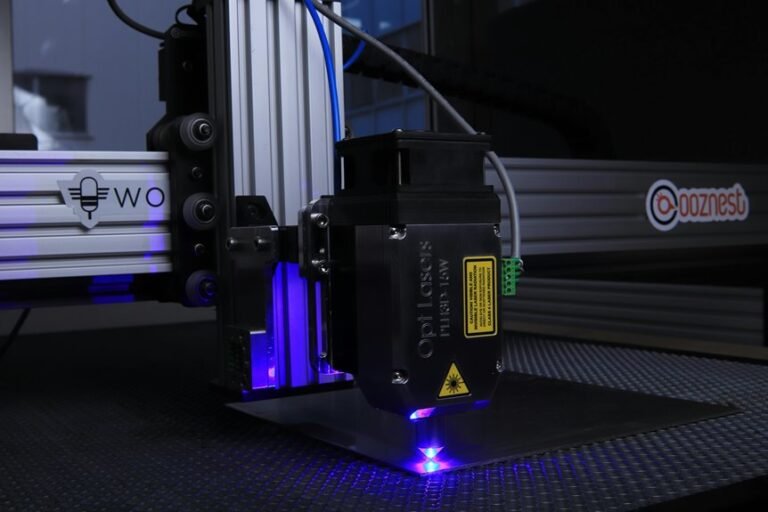
Radiant Matrix 662036461 Fusion
Radiant Matrix 662036461 Fusion blends nanomaterial-enabled sensing with adaptive control to enable real-time optimization. The approach emphasizes transparent validation, risk-aware governance, and scalable deployment across smart infrastructure and autonomous systems. Core claims center on measurable efficiency gains, resilience, and sensor-driven feedback loops. Early results suggest robust integration of materials science and control theory, but practical hurdles remain. Stakeholders may find the next steps critical for assessing feasibility and broader impact.
What Is Radiant Matrix 662036461 Fusion and Why It Matters
Radiant Matrix 662036461 Fusion refers to an advanced, integrative approach that combines multiple elements—materials, processes, and technologies—to enhance performance and efficiency.
It encompasses Radiant Matrix and Fusion Nanomaterials as foundational concepts, enabling Adaptive Control and Real time Optimization.
This framework supports resilient system design and scalable improvement, aligning innovation with user freedom, transparency, and evidence-based validation across diverse applications.
Core Technologies Behind the Fusion: Nanomaterials and Adaptive Control
Nanomaterials and adaptive control constitute the core technologies of the Fusion, enabling performance gains through precise material behavior and real-time system management. This framework emphasizes scalable nanomaterials applications, where composition and structure drive properties, and sensor-integrated feedback informs control loops. Adaptive control challenges include stability under variability, latency, and modeling accuracy, with evidence guiding design decisions for robust operation.
Real-World Applications: From Smart Grids to Autonomous Robotics
Real-World Applications of the Fusion span critical infrastructure and autonomous systems, illustrating how nanomaterials-enabled adaptability and sensor-driven control translate into tangible benefits. The Radiant matrix enables efficient energy distribution, resilience, and reduced losses in smart grids, while Fusion dynamics support robust perception, path planning, and fault tolerance in autonomous robotics, underpinning safer, scalable operations across varied environments with measurable performance gains.
Challenges, Roadmap, and What to Expect Next
Despite notable progress, several critical challenges shape the near-term development of Radiant Matrix 662036461 Fusion.
The roadmap emphasizes transparent milestones, independent verification, and iterative risk assessments.
Key factors include new metrics for performance validation and alignment with design constraints, ensuring scalable integration with existing systems.
Stakeholders anticipate a phased timeline, balancing innovation with safety, reliability, and governance considerations.
Conclusion
Radiant Matrix 662036461 Fusion represents a cohesive integration of nanomaterials, adaptive control, and real-time optimization to elevate performance across sectors. The approach emphasizes sensor-driven feedback, resilient design, and scalable governance, enabling measurable gains in efficiency and reliability. While ambitious, the framework rests on verifiable advancements and gradual deployment across domains—from grids to robotics. If interpreted conservatively, it remains transformative, but its potential to redefine intelligent infrastructure could be nothing short of legendary.