Exploring the Role of Augmented Reality in Architecture
Augmented Reality (AR) is increasingly shaping the architectural landscape. By merging digital information with physical spaces, AR enhances design processes and client interaction. This technology offers architects a powerful tool for visualization and collaboration, yet it also presents technical hurdles that must be addressed. As the industry evolves, understanding AR’s capabilities and limitations will be crucial for leveraging its full potential in architectural innovation. What implications could this hold for future design methodologies?
Understanding Augmented Reality in Architecture
As architects increasingly integrate technology into their design processes, understanding augmented reality (AR) becomes essential for enhancing spatial experiences.
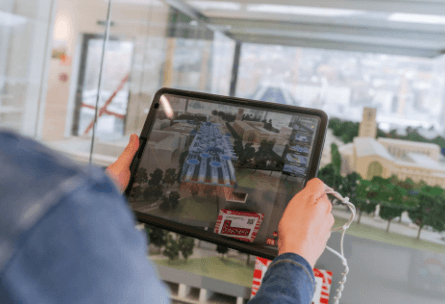
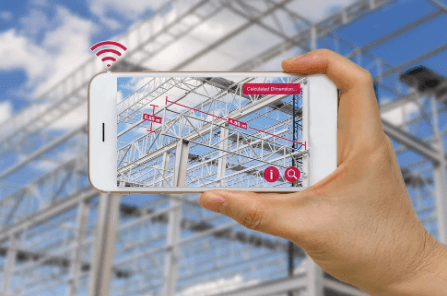
AR enables the creation of virtual environments that overlay digital information onto physical spaces, facilitating immersive experiences. This technology empowers architects to visualize concepts dynamically, allowing for real-time modifications and interactions, ultimately fostering a deeper connection between users and their surroundings while promoting innovative design solutions.
Key Applications of Augmented Reality in Design
Augmented reality (AR) has emerged as a transformative tool in architectural design, offering a range of applications that enhance both the creative process and client engagement.
Key applications include virtual walkthroughs, enabling clients to navigate spaces before construction, and interactive models that allow for real-time alterations and visualizations.
These innovations facilitate a deeper understanding of design intent, fostering collaboration and informed decision-making.
Benefits of Integrating Augmented Reality in Architectural Projects
Integrating augmented reality (AR) into architectural projects significantly enhances design accuracy and client satisfaction.
By improving design visualization, AR allows architects to present concepts in immersive environments, fostering an engaging user experience.
This technology facilitates real-time modifications, ensuring that client feedback is seamlessly integrated.
Ultimately, AR empowers architects to deliver innovative solutions that align with clients’ visions, transforming the architectural landscape.
See also: Augmented Reality in Architecture
Challenges and Future Prospects of Augmented Reality in Architecture
While the potential of augmented reality (AR) in architecture is substantial, several challenges must be addressed to fully realize its benefits.
Technical limitations, such as hardware constraints and software integration, hinder widespread adoption.
Additionally, enhancing user experience is crucial; intuitive interfaces and seamless interactions are needed to engage architects and clients effectively.
Overcoming these hurdles will unlock AR’s transformative capabilities in architectural practice.
Conclusion
In summation, the synergy of augmented reality and architecture symbolizes a significant shift towards a more sophisticated design paradigm. By fostering enhanced visualization and collaborative creativity, AR is poised to revolutionize the architectural landscape. Despite facing formidable challenges, the future gleams with potential, promising pioneering practices that elevate user experiences. As architects embrace this transformative technology, they will unlock new dimensions of design, ultimately shaping spaces that are not only functional but also fabulously immersive.